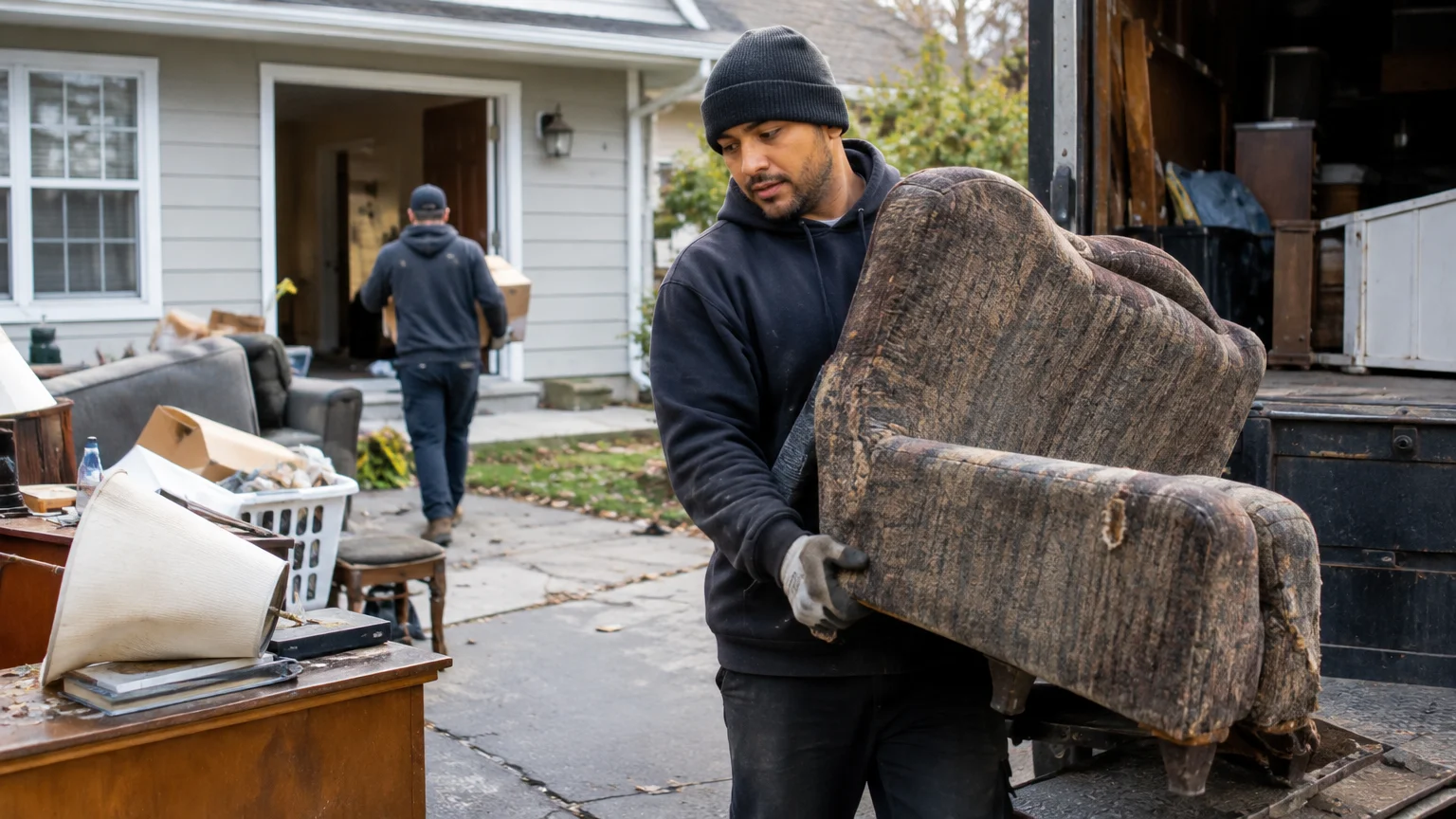
To prepare for a foreclosure cleanout, first confirm who controls the property, what must go, and when entry is allowed. Then inspect each space, sort items, plan for hazards, and arrange removal help. A clear plan helps Loveland property owners avoid missed work, unsafe handling, and delays before sale or turnover.
What should you do before a foreclosure cleanout?
The first step is to confirm the cleanup plan before anyone enters. The owner, lender, property manager, or approved agent should know who may enter, what must stay, and when the work must end. Written directions help prevent confusion when several people share the job.
How should ownership and access be confirmed?
The person managing the foreclosure should confirm keys, alarm codes, parking, and utility access. Some homes have locked rooms, shared drives, or limits on work times. A clear contact person also helps the crew get answers when an item or room is not clear.
The property manager should confirm the cleanup duties as well. Some jobs need a full house cleanout. Other jobs require certain fixtures, appliances, records, or personal items to stay. A written list helps protect items that belong with the property or need another person to handle them.
Loveland Colorado Junk Removal can help property owners review the work plan before removal starts. The plan may include a whole house cleanout, garage cleanout work, debris removal, or a small pickup from one room. The work plan should match the property condition and the deadline.
What should be checked during the property inspection?
A careful inspection can reveal hidden work. Walk through the basement, attic, garage, sheds, closets, and outdoor areas. Look for broken furniture, spoiled items, loose materials, blocked paths, and things that may be hard to carry.
Take photos and notes before work begins. They can show the property condition and help separate old damage from new damage. Note narrow stairs, weak floors, low ceilings, standing water, pest signs, and areas that need to stay closed.
A homeowner or property manager can safely sort clear household items. They can label rooms and remove small loose items when no hazard is present. They should not enter unsafe spaces or touch unknown chemicals, needles, mold-covered items, or damaged electrical equipment.
What items should be removed from a foreclosed property?
A foreclosure cleanout may include household goods, yard waste, broken fixtures, abandoned furniture, appliances, and building debris. The exact list depends on the property plan. Sort items before loading so reusable goods, trash, recycling, and special materials stay separate.
How should household items and debris be sorted?
Start with four groups: keep, remove, donate or reuse, and special handling. Mark everything that must stay. This may include built-in fixtures, legal records, property papers, or equipment meant for the next owner.
Common removal items include mattresses, couches, tables, cabinets, clothing, boxes, toys, small appliances, and damaged electronics. Garages and attics may hold tools, tires, scrap wood, and stored goods. Basements may contain old shelves, wet boxes, and broken exercise equipment.
Old appliances should not simply go to the curb. Refrigerators, freezers, air conditioners, and similar items may need special processing. A removal company can explain which items it accepts and which items need another provider.
Hot tubs may need to be drained, disconnected, cut apart, and removed in sections. Their size, weight, wires, pipes, and location can make the work hard. Property owners should not cut wires or disconnect equipment unless they have the right skills and the power is safely off.
Which materials need special handling?
Some materials should never go with normal junk. These include paint, fuel, propane tanks, pesticides, unknown liquids, medical waste, ammunition, asbestos, and leaking batteries. Local rules may also cover tires, electronics, refrigerants, and building debris.
Tell the cleanout crew about these items before arrival. Keep people away from leaks, sharp objects, unstable piles, and possible mold. When a material needs a specialist, pause that part of the work and arrange safe handling.
Hoarding conditions also need a careful plan. Tight paths, heavy piles, odors, pests, and damaged floors can create safety risks. A respectful crew can work one room at a time while protecting private items and lowering stress.
How can you prevent delays during a foreclosure cleanout?
Most delays come from unclear access, missing choices, blocked paths, or items needing special handling. You can reduce these problems before the truck arrives. A short planning call, site check, and written removal list often make the work easier.
How should access, utilities, keys, and parking be planned?
The property manager should arrange keys, gate codes, alarm details, parking, and loading space. The crew needs a safe path from the work area to the truck. If the drive is narrow or blocked, the plan may need another parking spot or smaller equipment.
Check utilities before work begins. Water, power, and lights can help workers inspect rooms and move items safely. If utilities are off, tell the crew before arrival. The team can then plan for dark rooms, locked equipment, or spaces that should not be entered.
Neighbors, tenants, agents, and contractors may also need notice. Clear timing reduces problems at shared drives and busy properties. It also keeps another contractor from arriving while the cleanout crew uses the only loading area.
What should happen when heavy items or hidden damage appear?
Heavy furniture, safes, hot tubs, appliances, and large piles may need extra planning. Tell the crew about stairs, long walks, tight turns, weak floors, and outdoor obstacles. Do not drag items across finished floors unless the plan protects those surfaces.
Hidden damage can change the work order. Water damage, weak ceilings, pests, sharp debris, and exposed wires may require a pause. The property manager should decide who handles repairs and who handles removal. A junk removal crew can remove safe contents, but it should not perform unsafe repair work.
A simple checklist can help the responsible person stay ready:
- Confirm who can approve removal decisions.
- Provide keys, codes, parking details, and loading directions.
- Mark items that must remain at the property.
- Identify chemicals, appliances, sharp items, and other restricted materials.
- Share photos of tight spaces, large items, or damaged areas.
- Keep children, pets, tenants, and visitors away from active work zones.
How do you get a foreclosed property ready for sale or turnover?
A property is ready for the next step when agreed items are gone, paths are clear, and rooms can be checked. Final work may include sweeping, light cleanup, debris removal, and a room-by-room review. The property manager should compare the finished space with the first work list.
What should be checked after removal?
Walk through every room after loading ends. Check closets, cabinets, attics, basements, garages, sheds, patios, and side yards. Look for small piles, loose glass, nails, food waste, old containers, and items marked to stay.
Sweeping removes loose dust and small debris, but it does not replace repairs or deep cleaning. Stains, odors, pests, mold, broken windows, damaged floors, and plumbing problems may need other workers. Separating these tasks keeps the property plan clear.
The final check should confirm that doors and gates are secure. Lights, thermostats, and appliances should remain as the property manager requires. Photos after removal can record the result and help the next contractor or listing agent.
How can the right cleanout support be chosen?
The right service depends on property size, item types, access, the deadline, and disposal needs. A provider should explain what it can remove and which materials need another specialist. It should also know how to work with inherited homes, distressed properties, and hoarding situations.
Loveland Colorado Junk Removal serves Loveland and nearby communities with cleanout help for foreclosure homes and other large removal jobs. Property owners can ask about house cleanout work, garage cleanout service, appliance removal, and debris hauling based on the site. Service areas may include Downtown Loveland, Mariana Butte, Berthoud, Johnstown, Windsor, Estes Park, and nearby communities.
Loveland property owners, lenders, agents, and managers benefit from a clear shared plan. It shows what the cleanout includes and helps move the home toward sale or turnover without last-minute confusion.
Key takeaways
- Confirm authority, access, utilities, parking, and cleanup duties first.
- Inspect every room and record damage before removal begins.
- Sort household items, debris, reusable goods, and restricted materials.
- Tell the crew about heavy items, tight spaces, appliances, and hazards.
- Finish with a room check, sweeping, and a secure property review.
Frequently Asked Questions
What is a foreclosure cleanout service?
A foreclosure cleanout service removes unwanted contents and debris after foreclosure or before a sale. The work may cover rooms, garages, attics, basements, sheds, and yards. The goal is to leave the property clear, safer to inspect, and ready for repairs, listing, rental, or turnover.
Who offers garage, attic, and basement removal in one visit?
Some property cleanout companies handle several areas during one scheduled job. The responsible person should describe each space, share photos, and point out stairs, narrow paths, heavy items, or unsafe materials. The provider can then confirm whether the full plan fits its equipment and services.
What happens to old appliances during a cleanout?
Old appliances are reviewed by type, condition, size, and handling needs. Some may be donated or recycled, while others need special processing because of refrigerants or electrical parts. Identify appliances before work starts and ask what the removal provider accepts.
Can a homeowner prepare for a foreclosure cleanout without professional help?
A homeowner or property manager can safely sort simple items, label rooms, take photos, and clear small loose objects. Professional help is useful for large amounts, heavy items, tight access, appliances, hot tubs, and debris hauling. Unknown chemicals, mold, unstable areas, and exposed wires should be left to qualified specialists.
Conclusion
A successful foreclosure cleanout starts with clear authority, safe access, and a detailed property check. Sorting items early and sharing hazard details can prevent many delays. With a final sweep and room-by-room review, the property can move closer to sale or turnover.
Contact us to plan a foreclosure cleanout.