A professional retail removal service helps clear store fixtures, displays, appliances, and debris safely. It can help with store moves, closures, remodels, and crowded backrooms. The right team saves staff time, protects the property, and helps Loveland Colorado Junk Removal support smoother retail work.
Table of Contents
- What Is a Professional Retail Removal Service?
- Are Store Fixtures and Displays Taking Up Valuable Space?
- Has a Store Closure or Relocation Created Too Much Junk?
- Is Your Backroom Too Crowded to Operate Efficiently?
- Are Retail Displays, Signage, or Equipment Difficult to Remove?
- Is Retail Debris Creating Safety or Compliance Concerns?
- How Do You Know When Professional Retail Removal Is the Right Choice?
- Key Takeaways
- Frequently Asked Questions
- Conclusion
What Is a Professional Retail Removal Service?
A professional retail removal service clears unwanted items from stores and business spaces. The work may include lifting, sorting, taking items apart, loading, and proper disposal. It can help store owners, property managers, tenants, and teams that need a space ready for its next use.
Which retail removal tasks can professionals handle?
A removal team may handle shelving, clothing racks, display cases, checkout counters, signs, office furniture, damaged stock, and backroom clutter. Some teams also remove old refrigerators, freezers, and small breakroom appliances. Items are checked before removal so reusable or recyclable materials can be handled in the right way.
A store may need help after a remodel, lease change, flood, fire, or layout update. The goal is not just to haul away junk. The team should leave the space easier to use and ready for the next step.
How is retail removal different from regular junk hauling?
Retail removal often needs more planning than a home pickup. Stores may have narrow aisles, loading rules, customer traffic, and security needs. Fixed displays may also need careful breakdown. The team must protect floors, doors, walls, and nearby goods.
For Loveland Colorado Junk Removal, the work may be a full store cleanout or one small task. It could mean removing a few counters or clearing a whole backroom. Local help in Loveland can keep staff focused on shoppers and sales.
Are Store Fixtures and Displays Taking Up Valuable Space?
Store fixtures should be removed when they block a new layout, sit unused, or make the sales floor hard to clean. Old racks, counters, mannequins, display walls, and cases can take up room long after their purpose ends. They can also make a shop look crowded or unfinished.
When should shelving, racks, and counters be removed?
Removal may make sense when fixtures are broken, old, unsafe, or no longer fit the store’s products. It may also be needed when a tenant leaves and the next tenant wants an open space. Some leases require tenants to remove certain improvements before moving out. Check those terms early.
A team can sort fixtures for reuse, recycling, donation, or disposal. This keeps useful items away from general junk. It also saves staff from heavy lifting and repeated trips to a disposal site.
How can fixture removal support a store refresh?
An open floor gives a retail team more choices. Staff can try a new product layout, make wider paths, or prepare for new shelving. A clean space also helps painters, electricians, flooring teams, and other workers start sooner.
Plan the work before removal begins. Mark items that must stay, find locked cases, and share rules for doors and loading areas. Clear details help the crew work with less noise and fewer delays.
Has a Store Closure or Relocation Created Too Much Junk?
A store closure or move is a common sign that professional removal may help. Closing a shop can create years of fixtures, signs, office items, packaging, damaged goods, and old equipment. Clearing it all with store staff can slow the move and leave the property behind schedule.
What items commonly need removal during a retail transition?
Common items include gondola shelving, checkout stations, display tables, racks, mannequins, signs, desks, chairs, filing cabinets, storage bins, and breakroom appliances. A store may also need help with old refrigerators or freezers. Appliance removal may need extra care because some units contain fluids or parts that should not enter normal trash.
A retail move can also create smaller debris. Cardboard, broken plastic, torn signs, packing materials, and damaged pallets may quickly fill a backroom. Sorting these items early helps a business decide what can be reused, recycled, donated, or removed.
How can a removal plan help keep the transition organized?
Start with a walk-through. The owner or property manager can list each area, mark items that stay, and note access limits. The team should also confirm the work date, loading spot, building rules, and items that need special handling.
Removing items in stages may help a store stay open longer. The backroom could be cleared first, followed by displays after the last sales day. A simple plan gives staff a clear path and limits last-minute choices.
Is Your Backroom Too Crowded to Operate Efficiently?
A crowded backroom can make daily retail work slower and less safe. Staff may struggle to find supplies, move cartons, stock shelves, or reach electrical panels. When unused items keep building up, the space becomes harder to manage each day.
What types of backroom clutter should be addressed first?
Start with items that block doors, exits, walkways, loading areas, or key equipment. Next, address broken shelving, empty display parts, damaged pallets, old office furniture, and equipment that no longer works. Loose glass, sharp metal, unstable stacks, and broken wood need quick attention.
A store should keep products, records, and equipment with a clear purpose. Items with no planned use can go into a removal group. This simple choice can make the cleanout faster and show staff what the business really needs.
How can organized removal improve daily retail operations?
A cleaner backroom gives workers space to receive shipments and prepare stock. It can also make inventory checks easier. Staff spend less time moving unwanted items and more time serving customers or finishing store tasks.
The change can help property managers, too. A clear service area is easier to inspect and maintain. In a multi-tenant building, removing abandoned junk can prepare a unit for cleaning, repair, or a new renter.
Are Retail Displays, Signage, or Equipment Difficult to Remove?
Difficult displays and equipment are another sign that professional help may be safer. Large cases, wall signs, counters, and built-in shelving may be heavy, awkward, or fixed to the building. Moving them without a plan can damage the store or hurt a worker.
Which items may require careful disassembly?
Items that may need disassembly include display walls, glass cases, checkout counters, shelving systems, racks, kiosks, and hanging signs. Some equipment may connect to power, water, or other building systems. A qualified professional should handle those connections before hauling starts.
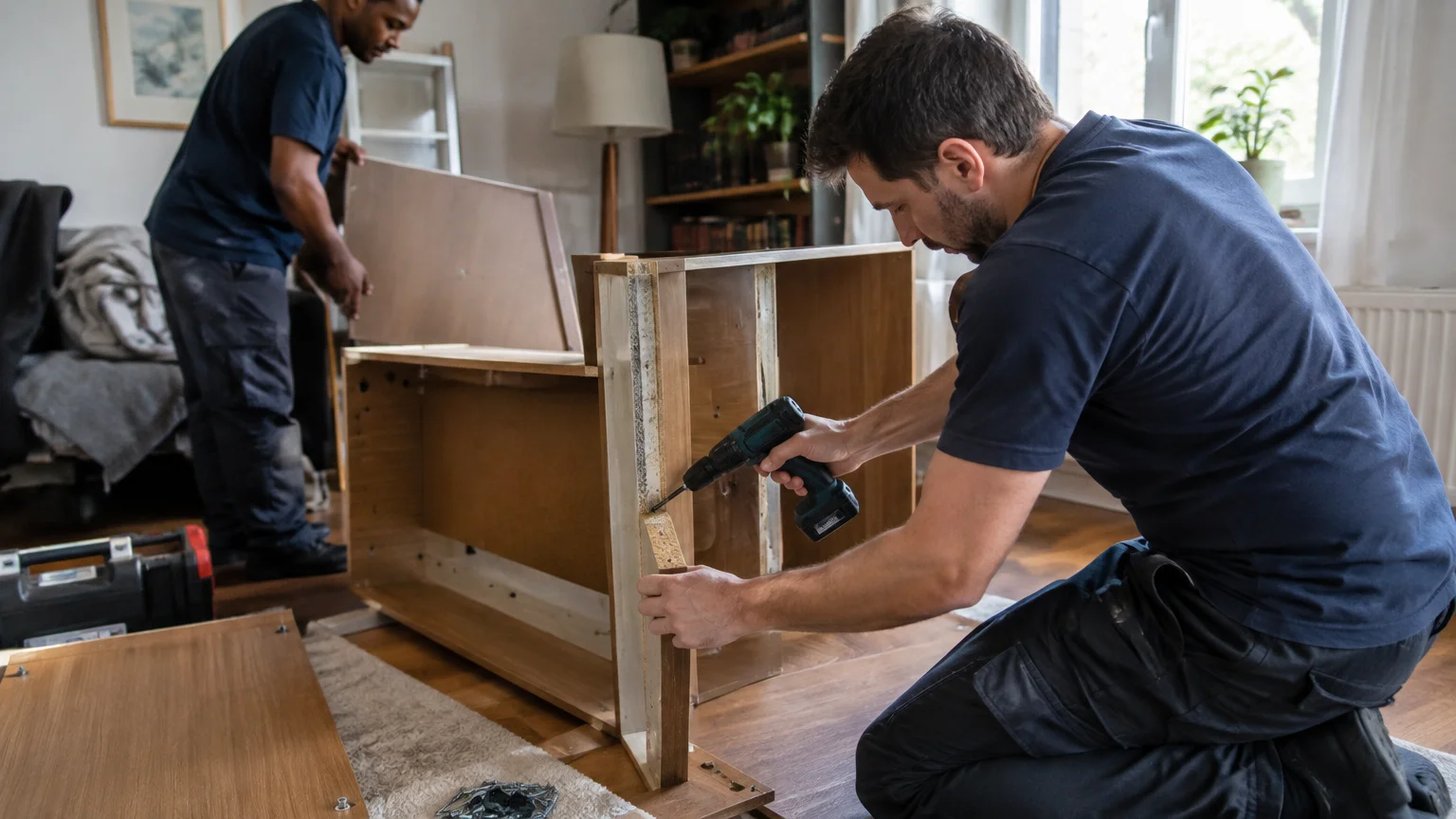
A removal crew can decide how an item should move and whether it must come apart first. Smaller pieces are often easier to carry through doors and halls. Careful disassembly also helps protect nearby walls, floors, and door frames.
Why does safe handling matter in an active commercial space?
Retail spaces may have customers, employees, contractors, and delivery workers nearby. Heavy items can fall, sharp edges can cut, and loose parts can cause trips. When possible, schedule the work during a quiet time. Keep a clear path from the item to the loading area.
Tell the team about elevators, stairs, alarms, locked rooms, and building rules. Staff should not move heavy fixtures just because a deadline is close. A professional retail removal service can help reduce strain and disruption.
Is Retail Debris Creating Safety or Compliance Concerns?
Retail debris can create safety concerns when it blocks paths, hides sharp edges, attracts pests, or makes a stack unstable. Damaged fixtures may fall, while broken glass and exposed fasteners can harm staff or visitors. Quick removal helps keep the space ready for normal work.
What risks can damaged fixtures and loose debris create?
Loose debris can cause slips, trips, cuts, falling-object injuries, and blocked access. It may also damage floors or interfere with cleaning tools. A crowded exit or blocked electrical panel is a serious concern. It should not be treated as normal storage.
Keep customers away from active removal areas. Staff may place small debris in safe containers, but they should not handle unknown liquids, sharp materials, heavy equipment, or damaged appliances without proper guidance. Light cleaning may be safe for staff. Heavy work may need a professional team.
How should recyclable, reusable, and regulated materials be separated?
Sort items by what they are and how they can be handled. Reusable racks may go to another store, while clean cardboard and some metals may enter local recycling streams. Broken items, mixed materials, electronics, batteries, and appliances may need different handling.
Do not place unknown chemicals, leaking equipment, pressurized containers, or other restricted materials in a regular junk load. Tell the removal team what you have before scheduling. This helps the team choose the right process and avoid unsafe surprises.
How Do You Know When Professional Retail Removal Is the Right Choice?
Professional help is often right when the job is too large, heavy, awkward, urgent, or disruptive for store staff. It may also be the better choice when a lease deadline, move, closure, or remodel leaves little time.
What should business owners consider before scheduling removal?
Consider the amount of material, item size, access, timing, and space condition. Decide what stays, what can be reused, and what must leave. Check building rules and identify anything that may need special handling.
A small pile of light cardboard may be manageable by staff. A full backroom of fixtures, appliances, and damaged equipment is a different task. The choice should protect workers and support store needs, not focus only on speed.
What information helps a removal team plan the job?
Useful details include the store type, number of rooms, item groups, approximate volume, access points, stairs, elevators, parking limits, and preferred timing. Photos may help show large fixtures or tight spaces. Mention refrigerators, freezers, electronics, glass, liquids, and items attached to walls or floors.
Loveland Colorado Junk Removal can help business owners review which removal option fits the space. Planning early gives the team time to understand the job. It also helps the store prepare staff, customers, and building management.
Key Takeaways
- A professional retail removal service can clear fixtures, displays, appliances, and backroom junk.
- Store closures, moves, remodels, and crowded stockrooms often need planned removal.
- Heavy, fixed, sharp, glass, or connected items need proper care.
- Businesses should sort reusable, recyclable, ordinary, and restricted materials.
- Clear details about access, timing, item types, and building rules help plan the work.
Frequently Asked Questions
What is a retail cleanout service?
A retail cleanout service removes unwanted items from a shop or commercial space. It may include fixtures, displays, signs, furniture, appliances, packaging, and backroom debris. The work can support a store closure, move, remodel, lease change, or new tenant. The team sorts and loads items based on the job plan.
How do businesses dispose of old appliances?
First, identify the appliance and check whether it contains refrigerant, batteries, electronics, or other restricted parts. Large refrigerators and freezers should not be treated like normal trash. A removal team can explain the next step and help arrange handling that fits the item and local rules.
Can staff remove store shelving themselves?
Staff may remove small, light, free-standing pieces when they can do so safely. They should avoid heavy, unstable, wall-mounted, glass, or connected fixtures. If removal needs tools, several workers, tight turns, or lifting near customers, professional help can lower the risk of injury or property damage.
What does a full-service junk removal company take from a store?
A full-service junk removal company may take retail fixtures, racks, counters, office furniture, signs, displays, appliances, packaging, and general commercial debris. The exact items depend on their condition and handling rules. Describe restricted, leaking, sharp, or connected materials before the job is planned.
How should a store prepare for removal?
Identify items that stay, clear a path, secure records, and explain access limits. Separate products from junk and point out appliances, glass, liquids, electronics, or wall-mounted fixtures. Photos and a basic item list can help the removal team plan the work.
Conclusion
Retail removal is easier when a business acts before clutter affects customers, staff, or a move deadline. A clear plan can support a store refresh, closure, relocation, or safer backroom. Staff may handle light cleaning, but large, heavy, fixed, or uncertain items need careful planning.
In Loveland, early planning can keep retail removal simple.
Contact us today to arrange a retail removal review with Loveland Colorado Junk Removal.
If you are unsure what you have, a review can help you choose the next step before the job grows.