A professional estate cleanout service helps when a home has too many rooms, heavy items, unsafe materials, family stress, or a short deadline. In Loveland, the right team can sort belongings with care, remove approved items, and leave the property ready for repairs, listing, sale, or transfer while following the family’s wishes.
Table of Contents
- What does a professional estate cleanout service do?
- Is the size of the estate making the cleanout unmanageable?
- Are family members struggling to agree on what to keep?
- Do you need to prepare the property for sale or listing?
- Is the property facing a deadline from an executor, lender, or buyer?
- Are heavy furniture, appliances, or bulky items unsafe to move?
- Is the home filled with items that require special handling?
- Has grief, distance, or work made it hard to manage the cleanout?
- Are you unsure how to handle sentimental belongings and donations?
- How should you choose the right professional estate cleanout service?
What does a professional estate cleanout service do?
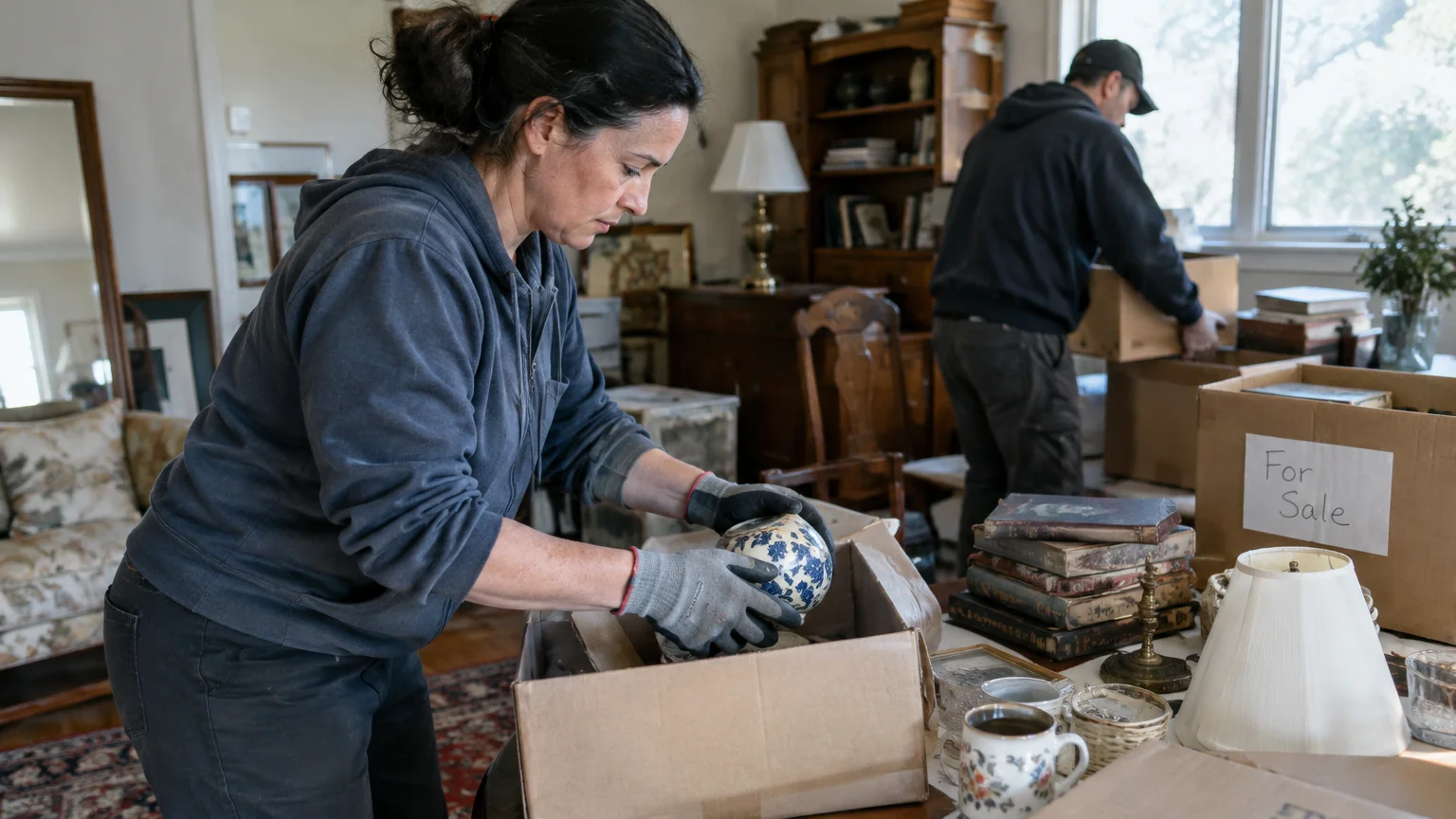
A professional estate cleanout service clears unwanted belongings after a death, move, sale, or change in care. The work may include sorting, lifting, loading, donation separation, recycling, and removal. A careful team follows the family’s instructions instead of treating every item as ordinary junk.
How estate cleanouts differ from ordinary junk removal
Ordinary junk removal often handles a smaller group of unwanted items. Estate cleanouts may cover a whole home, garage, attic, basement, shed, or storage unit. They can include furniture, clothing, books, kitchen goods, appliances, yard items, and years of personal belongings.
The work also needs care. Relatives may need time to find papers, photos, jewelry, tools, or heirlooms. A team should not assume old items have no value. Belongings should be placed into clear groups before anything leaves the property.
Different items may also need different routes. Reusable goods can go to a donation center. Metal may go to a recycler. Some appliances need special handling. Household chemicals and certain electronics may not belong in regular trash. Local rules guide the final route.
What a respectful, property-ready process includes
A respectful process starts with a walk-through and a clear plan. The owner, executor, or family contact explains what must stay. The team then marks removal areas and checks stairs, parking, doors, and other access points.
A property-ready result does not always mean deep cleaning or repairs. It means unwanted contents are gone, so the next step is easier. That step may be an appraisal, donation pickup, repair visit, photography session, staging, sale, or transfer.
Loveland Colorado Junk Removal can help Loveland property owners decide which belongings need careful sorting. The goal is a calm process that protects important items and lowers the physical work for the family.
Is the size of the estate making the cleanout unmanageable?
A cleanout may be too large for one person when many rooms, storage areas, or outdoor buildings are full. Large estates often contain items in places that are easy to miss. A professional team can divide the work into zones and follow a written plan.
How multiple rooms, outbuildings, and storage areas affect the work
A whole house cleanout may involve more than the main rooms. Garages can hold tools and spare parts. Basements may contain boxes and old furniture. Attics may hold papers, holiday items, and fragile keepsakes. Sheds may contain lawn tools, paint, or damaged goods.
Each space may need a different plan. A narrow stairway changes how furniture can move. A long path from a shed to the truck adds work. A locked storage unit may need separate access steps. Weather can also affect outdoor items and safe movement.
Someone working alone may spend days sorting and still miss a closet or cabinet. That can delay repairs and create another removal trip. Dividing the property into zones helps show what has been checked.
Why a written plan helps prevent overlooked items
A written plan gives the executor or owner a simple record. It can list each room, the items that stay, and the items that may leave. Photos can help relatives review areas when they cannot visit in person.
The plan should mark fragile items, locked spaces, documents, and belongings waiting for family review. It should also note parking needs, access limits, and known safety concerns. This keeps the work from becoming a rushed search.
The plan does not need to be hard. A room-by-room checklist is often enough. When one section is complete, the family can focus on the next area instead of guessing what was missed.
Are family members struggling to agree on what to keep?
Family disagreements are a sign that outside help may be useful. Grief can make simple choices feel hard. A clear sorting system and a neutral work process can keep everyone focused on the property and the family’s wishes.
How to create a clear sorting system
Before removal begins, agree on a few groups. A simple system may include keep, family review, donate, recycle, and remove. Each group should have a clear place so items do not get mixed together.
Labels, colored tape, or separate rooms can make the system easy to follow. Important papers should stay in one safe box. Photos and small keepsakes may need their own container. Items with legal, financial, or personal value should wait for review.
The family should name one main decision maker when possible. This avoids mixed directions during the work. If several people must approve items, a family review area can hold uncertain belongings.
When an impartial cleanout team can reduce conflict
A cleanout team does not decide what a family should keep. Its job is to follow the agreed plan and handle the physical work. This can reduce pressure on relatives who do not want to carry furniture or make choices in every room.
An outside team can keep the work moving in order. The family can review special items while the team clears approved areas. This gives relatives time to make personal choices without stopping each lifting task.
Loveland Colorado Junk Removal gives families a local point of contact during property work. Clear instructions help protect trust and prevent accidental removal.
Do you need to prepare the property for sale or listing?
A home may need a cleanout before an agent visit, repairs, or listing photos. Clutter can hide floors, walls, windows, and storage space. Removing unwanted contents helps professionals see the property and helps buyers understand its layout.
Which areas buyers and agents notice first
Entryways often shape the first view of a home. A crowded foyer can make the house feel smaller. Living rooms, kitchens, bathrooms, garages, and outdoor areas also receive close attention during showings and inspections.
Large furniture can block walkways and make rooms hard to measure. Boxes can hide damage or block outlets, windows, and cabinets. Yard debris can make outdoor areas look neglected, even when the structure is sound.
A cleanout does not fix every property issue. It creates room for inspection and repair. Once unwanted items are gone, the owner can see what needs cleaning, painting, patching, or replacement.
How removing clutter supports repairs, staging, and photography
Repair crews need safe paths and clear work areas. Stagers need room to arrange furniture. Photographers need open views that show room size and features. A cleanout team can help prepare these areas.
Owners should keep items that support the home’s records or sale. These may include manuals, repair receipts, warranties, keys, surveys, and permits. Separate those papers before removal starts.
A cleanout may also support a house sale. The family should decide what will be sold first. Items for sale need a safe, organized place and a clear plan. Anything left afterward can be sorted for donation, recycling, or removal.
Is the property facing a deadline from an executor, lender, or buyer?
A deadline can make an estate cleanout harder to manage. Executors may need to prepare records. Buyers may expect an empty property. Lenders or managers may require a neglected home to be cleared before the next step. Early planning gives the owner more choices.
How time-sensitive cleanouts become difficult to coordinate
A cleanout involves more than carrying items outside. Someone must confirm what stays, arrange access, protect floors, sort special materials, and choose routes for usable goods. A delay in one task can affect repairs, inspections, photos, or closing plans.
Short timelines can also lead to poor choices. Family members may discard papers before checking them. Useful goods may mix with debris. Heavy items may move without enough help. A rushed job can cause damage or leave work unfinished.
The earlier a team sees the property, the easier it is to find barriers. Narrow doors, full storage rooms, steep stairs, and blocked drives can change the work order. A clear schedule can match key areas to the time available.
What to prioritize when the turnaround is short
Safety comes first. Clear paths, doorways, stairs, and work areas before moving large loads. Next, protect papers, keys, family items, and anything named in the estate plan.
After that, owners often focus on areas needed for an inspection or sale. These may include the entry, main rooms, kitchen, bathrooms, garage, and outside paths. The right order depends on the home and deadline.
A written list keeps urgent work from replacing careful decisions. The team and owner can mark what must happen first and what can wait. This is safer than trying to clear everything at once.
Are heavy furniture, appliances, or bulky items unsafe to move?
Heavy or awkward items are a strong reason to seek help. Furniture, refrigerators, washers, dryers, safes, hot tubs, and exercise equipment can cause injury or damage when moved without a plan. A team should review weight, shape, route, and floor protection first.
Common lifting, stairway, and access hazards
Large items may not fit through a door without changing the angle or removing the door. Stairs add fall risks, especially in older homes with weak rails or poor light. Wet floors, loose rugs, broken steps, and narrow halls can make movement unsafe.
Appliances may contain water, oil, refrigerants, batteries, or electrical parts. A refrigerator should not simply be left outside without checking local rules. Anyone asking how to get rid of a fridge should first confirm the accepted route.
Hot tubs create another challenge. They are large, heavy, and often connected to electrical equipment. Anyone asking how to get rid of a hot tub should not cut or lift it without a safe plan. The structure, route, and utility connections need review.
Why trained removal planning matters for older or damaged homes
Older homes may have narrow passages, weak floors, or surfaces that scratch easily. Water damage, pests, mold, or structural problems can add risk. A removal team should not force an item through a route that could harm people or the home.
Planning may include measuring doors, protecting floors, using several people, and choosing a safer path. In some cases, an item must be taken apart first. Ask how the team will protect walls, floors, rails, and door frames.
Homeowners can move light objects when the path is clear. They should not attempt a heavy lift just to save time. A professional estate cleanout service helps when size, weight, access, or building condition makes the task uncertain.
Is the home filled with items that require special handling?
Some household items cannot go into ordinary trash. Electronics, paint, cleaners, batteries, propane cylinders, oils, and some appliances may have special rules. Identify these items before the cleanout and ask about the proper local route.
How to identify electronics, chemicals, paint, and other restricted materials
Look for warning labels, leaking containers, cords, batteries, pressurized tanks, or unknown liquids. Examples include old televisions, computers, printers, bulbs, pesticides, pool chemicals, and paint cans.
Do not mix unknown liquids or place damaged containers in a vehicle. Keep children and pets away from unsafe materials. If an item leaks, smokes, or has a strong smell, leave it alone and seek help from the proper local authority.
People often ask how to dispose of appliances. The answer depends on the item and local rules. Refrigerators, freezers, air conditioners, washers, dryers, and water heaters may need different routes. A removal company can help identify items that need separate handling.
What happens when donations, recycling, and disposal need separate routes
A careful cleanout sorts items by their next destination. Usable furniture and household goods may go to donation. Cardboard, scrap metal, and some electronics may go to recycling. Damaged or unsafe items may need an approved facility.
Sorting takes time, but it can keep useful goods out of the landfill. It also keeps unsafe materials away from regular household items. The final route depends on condition, material, and local acceptance rules.
A professional junk removal service should explain what it cannot take. Ask before work begins. This matters for paint, chemicals, medical items, propane, and appliances with special needs.
Has grief, distance, or work made it hard to manage the cleanout?
Grief can make a home cleanout feel impossible. Distance, work, health limits, and family duties can add another barrier. Local help lets the owner stay involved without carrying every box or visiting for every task.
Why remote property owners often need local coordination
A remote owner may live in another city or state. Travel takes time, and repeated visits may not fit the estate plan. A local team can check access, report what it sees, and complete approved work while the owner stays involved from a distance.
Remote work is easiest when instructions are clear. The owner can list items that must stay, areas that need review, and items that may leave. Photos or video calls may help with unclear spaces, but the family should decide what has personal or financial value.
Owners should provide access details. These may include a key, lockbox steps, gate information, parking instructions, and an emergency contact. A written record can prevent confusion.
How to stay involved without handling every task personally
The owner can choose one main contact and set review points. The team may first confirm the plan, then report special items, and finally confirm approved areas are clear. This keeps communication useful without requiring constant calls.
The family should keep important papers and valuables under its control when possible. If they must remain at the property, place them in one secure area. Tell the team that this area is not part of the removal work.
Loveland Colorado Junk Removal can coordinate with property owners across Loveland and nearby communities. Clear notes, agreed limits, and regular updates help distant owners make informed choices.
Are you unsure how to handle sentimental belongings and donations?
Sentimental items deserve more time than ordinary clutter. Photos, letters, documents, heirlooms, and handmade items may hold great meaning. Families should separate these belongings before general removal begins.
How to protect photographs, documents, heirlooms, and keepsakes
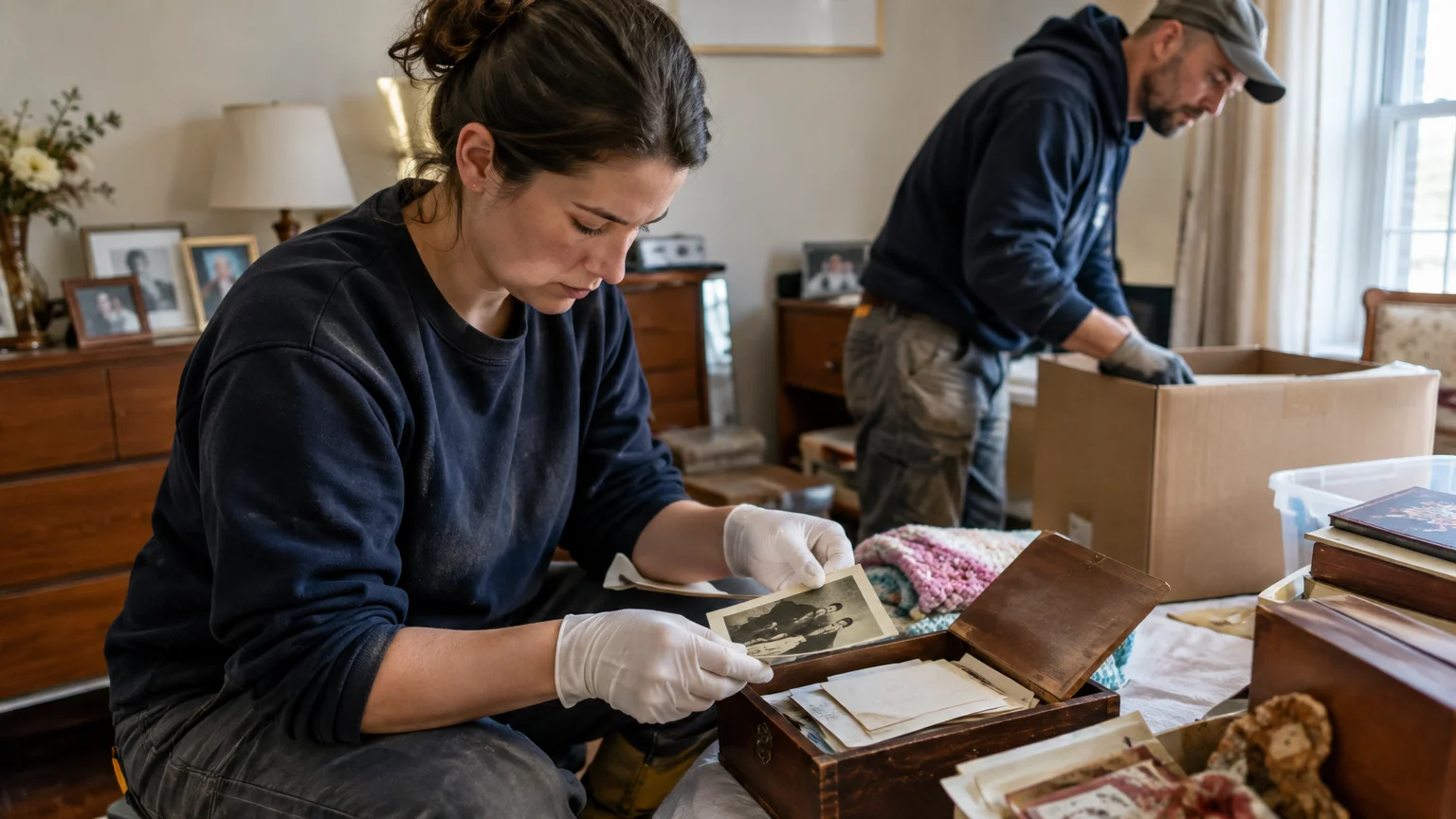
Use clean boxes for papers and photos. Keep them dry and away from direct sunlight. Do not discard document boxes before checking for wills, deeds, insurance papers, account records, military records, or family letters.
Keep small valuables in one secure place for family review. Jewelry, coins, watches, art, tools, and unusual collectibles may need an appraisal or executor decision. A cleanout team should not make that choice for the family.
Labels help prevent mistakes. A note can name the person who receives an item or say that family review is needed. Clear labels help when relatives sort belongings on different days.
Ways to separate useful items for donation or family distribution
Donation items should be clean, safe, and usable. Clothing can be bagged by type. Kitchen goods can be boxed together. Furniture should be checked for damage, stains, pests, and missing parts before anyone offers it to a charity or relative.
Family distribution may work better when each person lists items wanted. Photos can help relatives choose without moving everything. A deadline for claims can keep the home from staying full while choices remain open.
The last group may include items that no family member or donation center can use. These can then be sorted for recycling, special handling, or removal. This order protects meaningful belongings and makes the final work easier.
How should you choose the right professional estate cleanout service?
The right service should offer a clear plan for sorting, removal, access, and special items. Choose a team that listens, explains limits, and treats the home with care. A short talk before scheduling can show whether the service fits the property.
Questions to ask about sorting, removal, donations, and property access
Ask how the team handles items that must stay. Ask whether workers can separate donations, recycling, appliances, and household debris. Ask what happens when workers find documents, valuables, chemicals, or items not named during the first review.
It is also useful to ask about access. Explain stairs, narrow doors, parking limits, gates, elevators, fragile floors, and known damage. If the property is vacant, explain how entry and final locking will work.
Owners may also ask whether the service handles estate cleanouts, foreclosure cleanouts, hoarding cleanup, professional house cleanouts, and professional furniture removal. The answer should match the property’s needs. A company that mainly removes curbside items may not fit a full estate.
What to confirm before scheduling the cleanout
Before work starts, confirm the areas included, items that must remain, access instructions, and work order. Confirm how special materials will be handled. Also ask whether a separate provider is needed for anything the team cannot accept.
Confirm how updates will be shared. One named contact can reduce confusion when an executor, relative, agent, and property manager all have a role. Written notes help everyone follow the same plan.
The final amount is confirmed on a quote after the job is reviewed. Factors may include volume, labor, access, item type, and urgency. Review the written details before scheduling and ask about anything unclear.
Key Takeaways
- A professional cleanout can help when an estate is large, unsafe, or time-sensitive.
- Families should separate keepsakes, papers, valuables, donations, recycling, and removal items.
- Heavy furniture, appliances, hot tubs, chemicals, and electronics may need special handling.
- A room-by-room plan helps prevent mistakes and missed storage areas.
- The right team explains its process and respects the owner’s instructions.
Frequently Asked Questions
What is a cleanout service?
A cleanout service removes unwanted belongings from a home, building, storage space, or yard. Estate work may include sorting, lifting, loading, donation separation, recycling, and disposal planning. The service does not replace an executor, appraiser, attorney, or hazardous-material specialist. Families still decide what has personal, legal, or financial value.
How do I get rid of old appliances?
Start by identifying the appliance and checking local rules. Refrigerators, freezers, air conditioners, washers, dryers, and water heaters may have different handling needs. Do not leave an appliance outside or take it apart without guidance. A removal team can explain whether it can handle the item or needs another route.
What happens to old appliances after removal?
The next step depends on the appliance’s condition and materials. Some may be reused, recycled, or sent to a facility with the right equipment. Others may need special handling because of refrigerants, batteries, oils, or electrical parts. Ask about the planned route before the item leaves.
Can a cleanout service help with a house sale?
Yes. Removing unwanted contents can open walkways, rooms, garages, and outdoor areas for repairs, staging, inspections, and photos. Keep records, keys, warranties, and sale papers separate. A cleanout prepares the property, but it does not replace repairs, deep cleaning, or staging.
Should a family clean out an estate alone?
A family can handle light sorting when the home is small, safe, and easy to access. Professional help makes more sense when there are heavy items, many rooms, tight deadlines, unsafe materials, distant owners, or serious stress. Families should never attempt a lift or disposal task that could cause injury.
Conclusion
An estate cleanout becomes harder when a home is full, the family is under stress, or the property has a firm deadline. Professional help can provide a steady plan for sorting, removal, donations, appliances, and difficult access. It also gives families more time to protect the belongings that matter most.
Loveland Colorado Junk Removal helps property owners plan respectful cleanouts and nearby communities. Contact us to discuss the property and the next safe step.