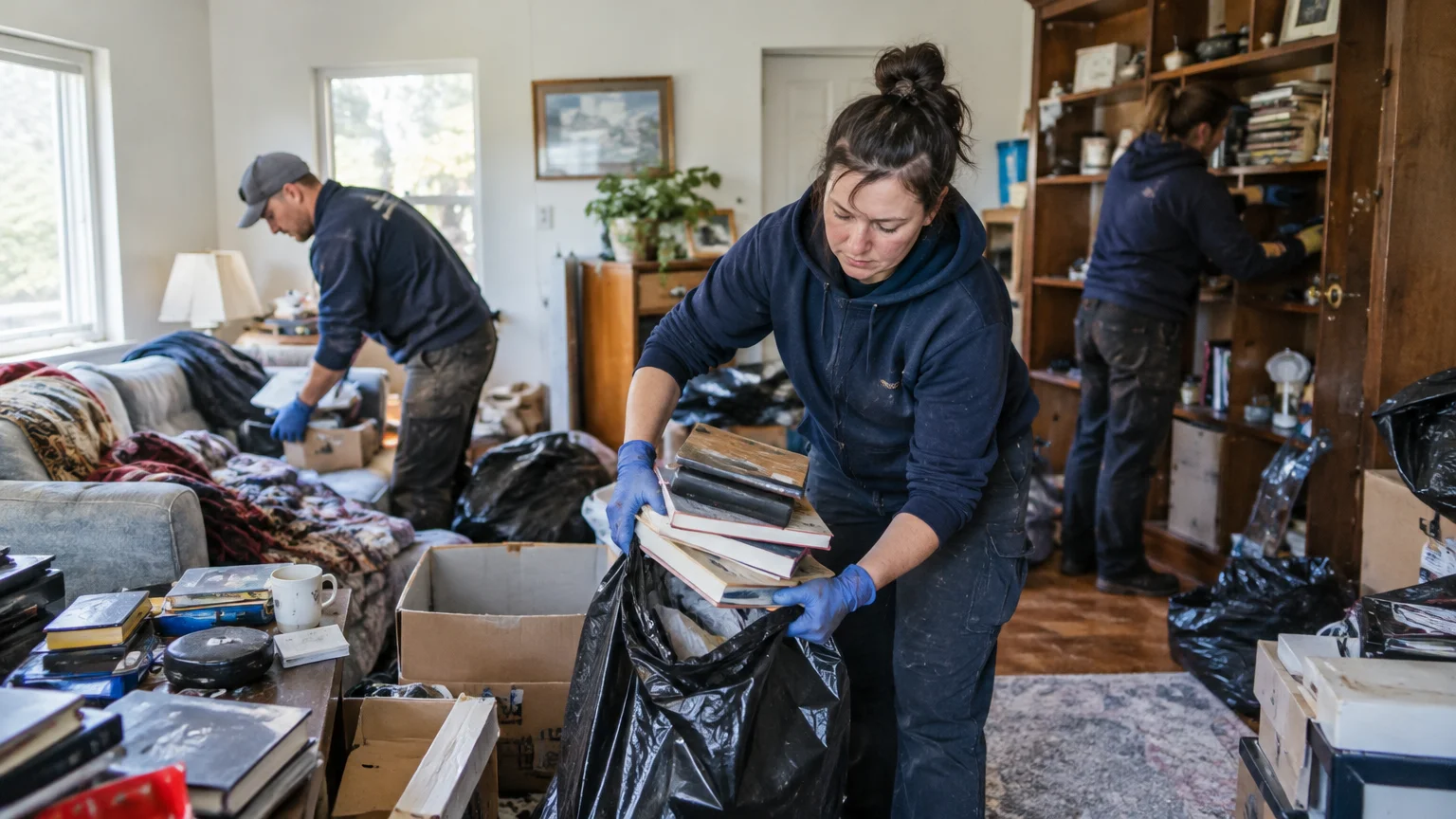
A professional hoarding cleanup service can help when clutter blocks rooms, creates danger, or feels too hard to manage. In Loveland, the right team can clear approved items with care and respect. The work should follow a clear plan that protects people, keeps needed items safe, and avoids rushed choices.
What are the first signs that a hoarding situation needs professional help?
A home may need outside help when normal life becomes hard or unsafe. Rooms may no longer work as intended, while odors, pests, or waste create health concerns. Early help may keep small problems from causing more damage.
Sign 1: Essential rooms and walkways are no longer usable
Clutter can cover floors, beds, counters, and doorways. A kitchen may not have a safe place to prepare food. A bathroom may be hard to reach, and a bedroom may become a storage area.
A few full shelves do not always mean professional help is needed. A homeowner may safely sort a small space, clean surfaces, and donate unwanted items. More support may be needed when several rooms are full or normal movement is difficult.
A professional hoarding cleanup service can break the work into smaller steps. The team can clear paths, remove approved items, and keep needed belongings together. This may feel easier than trying to empty the whole home in one day.
Sign 2: Clutter is creating sanitation, pest, or odor concerns
Strong odors, spoiled food, animal waste, insects, rodents, or damp items need prompt attention. These problems can affect the air and spread through the home. Paper, fabric, and waste may also hold moisture and make cleaning harder.
Simple cleaning may be safe when there is no sign of contamination. Contamination means harmful waste or germs may be present. A person should not handle unknown waste, sharp objects, mold, chemicals, or animal waste without proper gear and training.
A cleanup team can point out items that need special care. The team can also explain when another specialist is needed. The goal is not to shame anyone. Hoarding can involve grief, stress, health concerns, or strong feelings about belongings.
Calm words help protect trust. They also help the person take part in choices about the home.
When does clutter become a safety hazard in the home?
Clutter becomes dangerous when it blocks exits, hides damage, or raises the chance of falls and fire. A home does not need to look full for danger to exist. Narrow paths, unstable piles, and blocked equipment can harm residents, visitors, and first responders.
Sign 3: Exits, stairs, or electrical systems are blocked
Blocked doors, stairs, hallways, windows, and emergency exits need quick care. A person may trip while walking around piles. Items near heaters, outlets, electrical panels, or appliances can also create added risk.
Residents may clear a small path when items are light, stable, and safe. They should stop if a pile shifts or the floor feels weak. They should also stop when items may contain chemicals, needles, pests, or broken glass.
A professional team can plan removal from the safest access point. It may separate furniture, appliances, bags, boxes, and loose debris. Questions about old appliances can be handled during planning. Disposal depends on the item, its condition, and local rules.
Sign 4: Structural damage, mold, or other hazards may be hidden
Large piles can hide wet floors, damaged walls, leaks, mold, pests, or weak surfaces. They may cover vents, plumbing access, or signs of roof and foundation trouble. These issues may stay hidden until items are moved.
A cleanup crew removes belongings, but it may not repair every problem. Mold, unsafe wiring, major leaks, structural damage, and hazardous waste may need another qualified professional. Keeping cleanup and repair work separate helps everyone follow a safer plan.
The process should begin with a careful walk-through. The team can note protected areas, items that must stay, and hazards that need special care. Loveland Colorado Junk Removal can help Loveland property owners understand which tasks belong to a junk removal team and which need another professional.
How can you tell when a hoarding cleanup is too difficult to manage alone?
A cleanup may be too hard to handle alone when the volume is large or decisions feel overwhelming. It can also be difficult when family members disagree. Outside help can add order without taking away the person’s voice.
Sign 5: The volume of belongings makes sorting and removal overwhelming
A home, garage, basement, or storage area may hold many kinds of items. Sorting may include furniture, clothing, papers, appliances, electronics, food containers, and waste. Large items may also need more than one person to move safely.
A homeowner can begin with one small area. Simple groups may include keep, donate, recycle, and discard. This works best when items are light and no hazards are present.
Professional help may be safer when every room is crowded. It may also be needed when the property has pests, odors, moisture, heavy items, or blocked paths. Professional junk removal services can handle physical work after the owner or family approves each item.
This may include hoarding junk removal, furniture removal, and whole house cleanout work. The team should explain the process before work begins. Workers should not remove personal items without clear permission.
Sign 6: Family members cannot agree on what should happen next
Disagreements are common when belongings have emotional, family, or legal value. One person may want a fast cleanout, while another needs more time to sort. Rushing can harm trust and cause important items to be discarded.
A shared plan can help. The family can choose who makes final decisions. They can mark items that must stay and set aside papers or valuables for review.
Legal or estate questions may need an attorney or estate professional. A cleanup service should follow the family’s plan rather than make personal choices. Clear labels, room-by-room work, and written approval can reduce confusion.
The process should stay respectful when the home belongs to an older adult or someone facing a major life change. Good communication matters as much as the physical work.
What should you expect from a professional hoarding cleanup service?
A professional hoarding cleanup service should offer a clear plan, safe removal, and respectful communication. The process depends on the property, the items, and the people making choices. Good service focuses on useful space, not shame or speed alone.
Sign 7: The property needs a sensitive, organized cleanup plan
A strong plan starts with a talk and a walk-through. The team should learn which areas matter most and which belongings must stay. It should also ask about health, mobility, access limits, and possible hazards.
The work may happen in stages. The first stage may clear exits and walkways. Later stages may address rooms, furniture, appliances, and loose debris.
Sorting, loading, donation handling, and disposal should follow the owner’s instructions. Local rules may affect how some items are handled. A written plan can help everyone understand what happens next.
The service cannot solve every health or personal concern. Hoarding cleanup may work best with help from a mental health provider, social worker, family counselor, or another trusted person. The cleanup team handles the property while the person gets support.
Sign 8: The home must be restored for safe, practical use
The final goal is a home people can use more safely. This may mean opening paths, clearing sleeping areas, making the kitchen usable, or preparing the property for repair, sale, rental, or family use. Cleaning and repairs may still be needed after removal.
After the cleanout, the owner should check for hidden damage and arrange needed repairs. Simple systems for mail, donations, trash, and storage can help protect the space. Regular checks are easier when the plan is realistic.
Loveland Colorado Junk Removal serves property owners who need a careful path forward and nearby communities. The company can help with hoarding cleanup, estate cleanout services, foreclosure cleanout work, and other property cleanouts. The first step is a clear talk about the home and its goals.
Key takeaways
- Blocked rooms, exits, stairs, and paths may show that help is needed.
- Odors, pests, moisture, waste, and hidden damage should not be ignored.
- Homeowners may handle small, clean areas when no hazards are present.
- Families should agree on what stays before workers remove items.
- A careful plan can create safer, more useful space without shame.
Frequently Asked Questions
What is a cleanout service?
A cleanout service removes unwanted belongings, furniture, appliances, and debris from a property. In a hoarding situation, the work should include planning, approved sorting, safe paths, and kind communication. The service may remove items, but repairs, mold treatment, and personal support may need other professionals.
How can someone dispose of a refrigerator or other appliance?
Large appliances should not go into regular household trash unless local rules allow it. A removal team can explain the next step based on the appliance, its condition, and local disposal rules. Refrigerators may need special handling because of refrigerants and other parts. Owners should not take them apart at home.
Can a homeowner handle hoarding cleanup alone?
A homeowner may handle a small, clean area with light items and no safety concerns. Professional help is wiser when rooms, exits, stairs, or utilities are blocked. Help may also be needed when pests, mold, waste, unstable piles, heavy furniture, or family conflict make the work unsafe or too stressful.
How does a cleanup team protect personal belongings?
The team should agree on rules before work starts. Family members can mark items that must stay, create a review area, and choose who makes final decisions. Workers should pause when an item is unclear. Important papers, valuables, photographs, medicines, and personal records deserve careful review before removal.
Conclusion
Needing help with a hoarding situation does not mean anyone has failed. It means the property needs a safe plan and steady support. A professional team can handle approved removal while families focus on health, trust, repairs, and the next practical step.
Contact us to discuss a respectful cleanup plan with Loveland Colorado Junk Removal.