A house cleanout vs dumpster rental choice depends on who will do the work. A cleanout crew may carry agreed-upon items from the home and load them. A dumpster gives you a place to put items, but you usually sort, carry, and load them yourself. Think about the help you need, the items, access, and timing.
A move, an estate, or a big home project can leave many things to sort. Some people want help moving items out of the house. Others want to work at their own pace and load a container themselves. Knowing how each choice works can help you plan in Loveland and nearby communities.
Table of Contents
- What’s the difference between a house cleanout and a dumpster rental?
- How do you decide which option fits your cleanout?
- How does the work differ for homeowners?
- Which option works better for an estate or move-out cleanout?
- What items can each option typically handle?
- How do access and scheduling affect the choice?
- Which option is more practical for a large cleanout?
- What factors affect the overall cost?
- Can you combine a dumpster rental with junk removal?
- How can you choose the right option for your house cleanout?
- Frequently Asked Questions
- Conclusion
What’s the difference between a house cleanout and a dumpster rental?
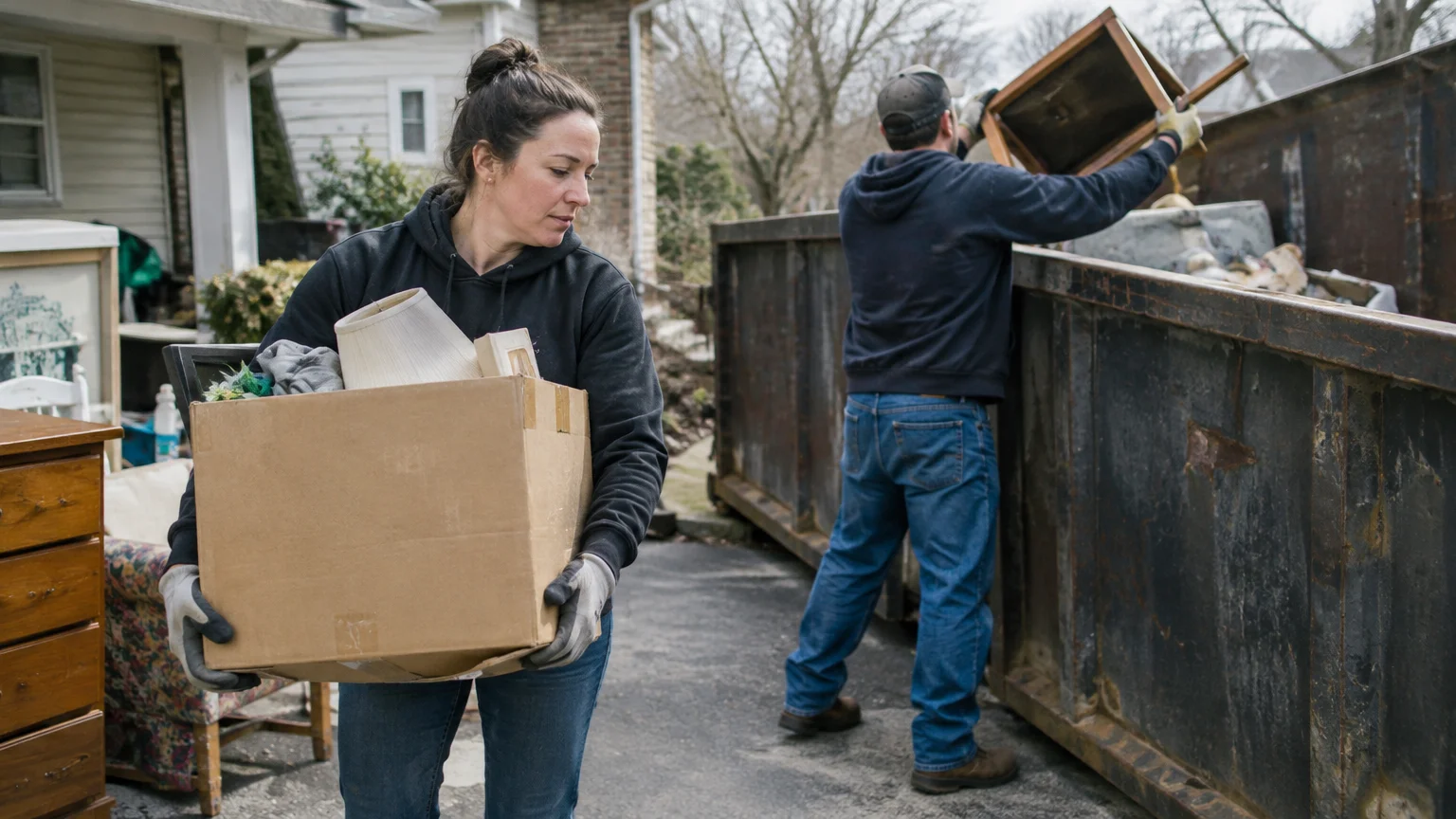
A house cleanout service removes items that you and the provider agree should go. A dumpster rental gives you a container to fill. With a service, a crew may carry items from rooms and load them. With a dumpster, you usually sort, lift, and load the items yourself.
What a full-service house cleanout includes
A full-service cleanout begins with a clear plan. You show which items, rooms, or areas need to be cleared. The crew then removes the items you have agreed on. These may include furniture, boxes, and common household clutter. The work can vary, so ask what the service includes before it starts.
This choice may help when items are spread across rooms or floors. It can also suit people who cannot lift heavy things or lack time to load a container. Loveland Colorado Junk Removal can explain how its cleanout work is planned for homes and nearby areas. Ask which tasks the crew handles and what you need to do before the visit.
What to expect when renting a dumpster
A dumpster rental places a container in an agreed spot. You sort your belongings, carry items outside, and load the container. When the rental time ends, the provider takes it away as planned. You should confirm the pickup details before the container arrives.
A dumpster can work well for a project where people can load items over time. It does not usually mean that a worker will enter the home and carry things from each room. Ask what materials are accepted, where the container can sit, and how pickup works. The main difference is who handles the lifting and loading.
How do you decide which option fits your cleanout?
Choose by looking at the work, the items, and the help you have. A dumpster may suit people who can sort and load everything themselves. A house cleanout service may be more useful when carrying items out is hard or several rooms need to be cleared.
Consider the size and scope of the project
Walk through the home and write down the areas that need work. One garage or spare room is different from a whole-home cleanout. Note large furniture, appliances, boxes, and loose debris. Also mark the things that must stay, so they are not mixed with items to remove.
Think about how soon the work must be done. A small project can happen in stages. A move-out or property handover may have a firm date. A simple list of rooms and items helps a service provider understand the job. It also helps you compare both choices fairly.
Assess how much work you want to handle yourself
Be honest about the physical work involved. Loading a dumpster can mean carrying items again and again. It can also mean bending and moving heavy things. You can sort belongings and do light cleaning yourself. But heavy lifting, tight stairs, or many items may call for help.
Ask Loveland Colorado Junk Removal what its crew can do before you book. Find out what you should prepare, too. A good choice fits the people, time, and tools available. Do not pick a do-it-yourself plan just because it looks simple at first. If safe lifting is a concern, ask about the work before deciding.
How does the work differ for homeowners?
With a dumpster, homeowners usually sort and load most items. With a cleanout service, a crew may carry away the agreed items. Both choices need clear directions, safe paths, and a plan for belongings that must stay. A little preparation can help prevent mix-ups.
Sorting, lifting, and loading items
Before anything is removed, set aside items to keep, give away, recycle, or discard. Keep important papers, keys, medicine, and small valuables apart. This matters whether you hire a crew or load a dumpster. Clear labels can help when several people are sorting together.
You do not need a professional for basic sorting or light cleaning. Sturdy boxes, a broom, and a room-by-room plan may be enough. Heavy furniture, large appliances, and sharp or broken items need more care. Do not lift something that feels unsafe. Ask the provider how it handles large items before work begins.
Placement, access, and protecting the property
A dumpster needs a suitable place, such as a driveway or another allowed spot. Check that cars, gates, and walkways will not block access. Ask if the ground and space above it are right for the container. Rules can differ by property, so check with the property manager or local authority about any needed approval.
A removal crew needs a clear path from the items to the exit. Move small things out of hallways. Tell the crew about stairs, tight turns, or delicate floors. Covering floors and door frames may help protect the home during a large cleanout. Good access planning can make either choice safer and easier.
Which option works better for an estate or move-out cleanout?
A full-service cleanout may suit an estate or move-out with many items, little time, or hard access. A dumpster may suit people who can sort belongings and load them over time. The best choice depends on who will make decisions, when the home must be cleared, and how much help is available.
Managing belongings that need careful sorting
Estate cleanouts can include personal items, papers, furniture, and family keepsakes. Family members should agree on what stays before removal begins. Set aside photos, papers, keepsakes, and anything that still needs review. A room-by-room list can help people make choices without mixing special items into the discard pile.
A service can remove items after the family decides what should go. A dumpster can hold unwanted things, but someone must carry them out and load them. Neither choice takes the place of careful sorting. If no one is sure about an item, keep it separate until the right person can decide.
Planning around deadlines and multiple decision-makers
Move-outs can involve a key return, home sale, lease, or handover date. Leave time for sorting, removal, and a final check of rooms and storage areas. If several people need to agree, choose who will give the final directions. This can avoid delays and lower the chance of removing something by mistake.
A house cleanout service may help when the deadline is close and much of the home needs clearing. A dumpster may work when family members can sort and load at a steady pace. Before you book either choice, confirm the date, access plan, areas included, and how changes will be handled. A short written plan can make a hard cleanout easier to manage.
What items can each option typically handle?
Both choices may handle common household items, but accepted items differ by provider and container rules. Furniture, boxes, and general clutter are common cleanout items. Ask about appliances, building debris, and anything that may need special care before it is removed or loaded.
Household furniture and general clutter
Old chairs, tables, mattresses, shelves, and boxes may be part of a home cleanout. A crew can carry agreed items from the home. With a dumpster, you usually move and load them yourself. Before you get rid of old furniture, check if it is safe and fit to give away or reuse. If it is broken or not wanted by a donation group, ask the provider how it can be handled.
For a fridge or another appliance, ask the provider or local waste authority how to handle it. Do not assume that every dumpster accepts appliances. A fridge may need special care or a separate pickup plan. Keep the doors secure when moving the unit. Do not handle parts that may be unsafe.
Items that may need special handling or disposal
Some materials may not go in a regular dumpster or standard junk removal load. Paint, chemicals, fuel, batteries, and some electronics may need a special drop-off or pickup. Local rules can differ. Check with the right waste authority before setting these items aside for removal.
Concrete pieces, soil, and other heavy debris may also have limits. Ask what the container or service can take before loading it. A container full of heavy material may be handled differently from one with light household clutter. If you are unsure, name the item and describe its condition before planning the job. This can help avoid a rejected load or a last-minute change.
How do access and scheduling affect the choice?
Access can affect which option works best. A dumpster needs a safe place for delivery and pickup. A cleanout crew needs room to reach the home and carry items out. Timing matters, too, especially when a home must be cleared before a move or handover.
Driveway space, stairs, and narrow access
Check the driveway, gates, low branches, and parked cars before arranging a container. A narrow street or shared parking may make delivery harder. Ask what access details the provider needs and whether your chosen spot will work. If your property has rules for containers or work crews, check them before setting a date.
Inside the home, look for stairs, tight halls, and delicate floors. A large sofa may not fit through a doorway without care. Do not force an item through a tight spot. Do not take apart equipment unless you know how to do it safely. A crew can review access needs. If you rent a dumpster, plan how items will get to it.
Timing, rental periods, and collection coordination
A dumpster plan depends on the agreed rental time and pickup schedule. You need enough time to sort and load the container. A full-service cleanout may happen during a planned visit, depending on the job and schedule. Confirm the timing instead of assuming that work can start on short notice.
For either choice, get items and access ready before the planned work. Keep the driveway clear, mark what must stay, and make sure someone can answer questions. If tenants, family, an agent, or a property manager are involved, share the plan with them. Clear timing and access details can help prevent delays.
Which option is more practical for a large cleanout?
A dumpster may suit a large cleanout when people have time, help, and a safe way to load it. Full-service removal may simplify a big clear-out when there are many bulky items or little help for lifting. The size of the job is not the only thing to consider. The people and time available matter as well.
When a dumpster can suit a hands-on project
A dumpster may work when you want to sort at your own pace and have people ready to carry items. It keeps unwanted material in one place during the project. This can help when you are clearing several rooms over time and can keep the loading area neat and safe.
You still need to do the physical work and follow the container rules. Separate items that are not accepted before loading. Put heavy items in with care, and do not fill the container past its limit. If the job includes a fridge, electronics, or concrete, ask about the rules first. A rental does not include someone carrying items from inside the home unless that work is part of a separate plan.
When full-service removal can simplify a major clear-out
A full-service house cleanout can help when many large items need to go, several rooms need clearing, or few people are available. The crew may carry agreed items from the home. This can reduce the lifting you need to do. For a large job, explain what needs to be removed so the provider can plan the work.
If you are looking for professional house cleanouts, describe the home, rooms, and hard-to-move items. Mention stairs, long paths from the home, and narrow access. Loveland Colorado Junk Removal can explain what its house cleanout work may include. It can also tell you what details will help plan the visit. A clear list of the work is more useful than a rough guess about the job.
What factors affect the overall cost?
The overall cost can depend on how much needs to go, how much labor is needed, what the items are, and how long the project takes. A small load of easy-to-reach items is different from a whole-home cleanout with heavy things and stairs. Each provider has its own terms, so the final cost is confirmed on a quote based on the job details.
How labor, volume, item type, and project duration matter
The amount to remove is one key factor. A few pieces of furniture take less room and handling than a home full of boxes, appliances, and mixed debris. The work can also change with access. Items upstairs or behind a narrow path may take more care to remove.
The type of item matters because some things need special handling or a different disposal route. A fridge, broken furniture, or concrete may not be handled like regular household clutter. A dumpster rental and a full-service cleanout also include different tasks. One gives you a container to load. The other may include workers carrying items out.
Why the final quote depends on the details of the job
Before you accept a quote, explain the rooms, items, access, and timing. Share photos if the provider asks. Point out anything that may need special care. Ask what the service includes and whether there are limits on the items or rooms covered. The final cost should be confirmed on a quote that reflects the job details.
Compare what each choice asks you to do, not just the container or removal plan. Include the time and physical work needed to sort, carry, and load items. The best comparison is between complete plans with clear tasks. Do not assume every provider accepts the same items or does the same work. Ask questions before choosing.
Can you combine a dumpster rental with junk removal?
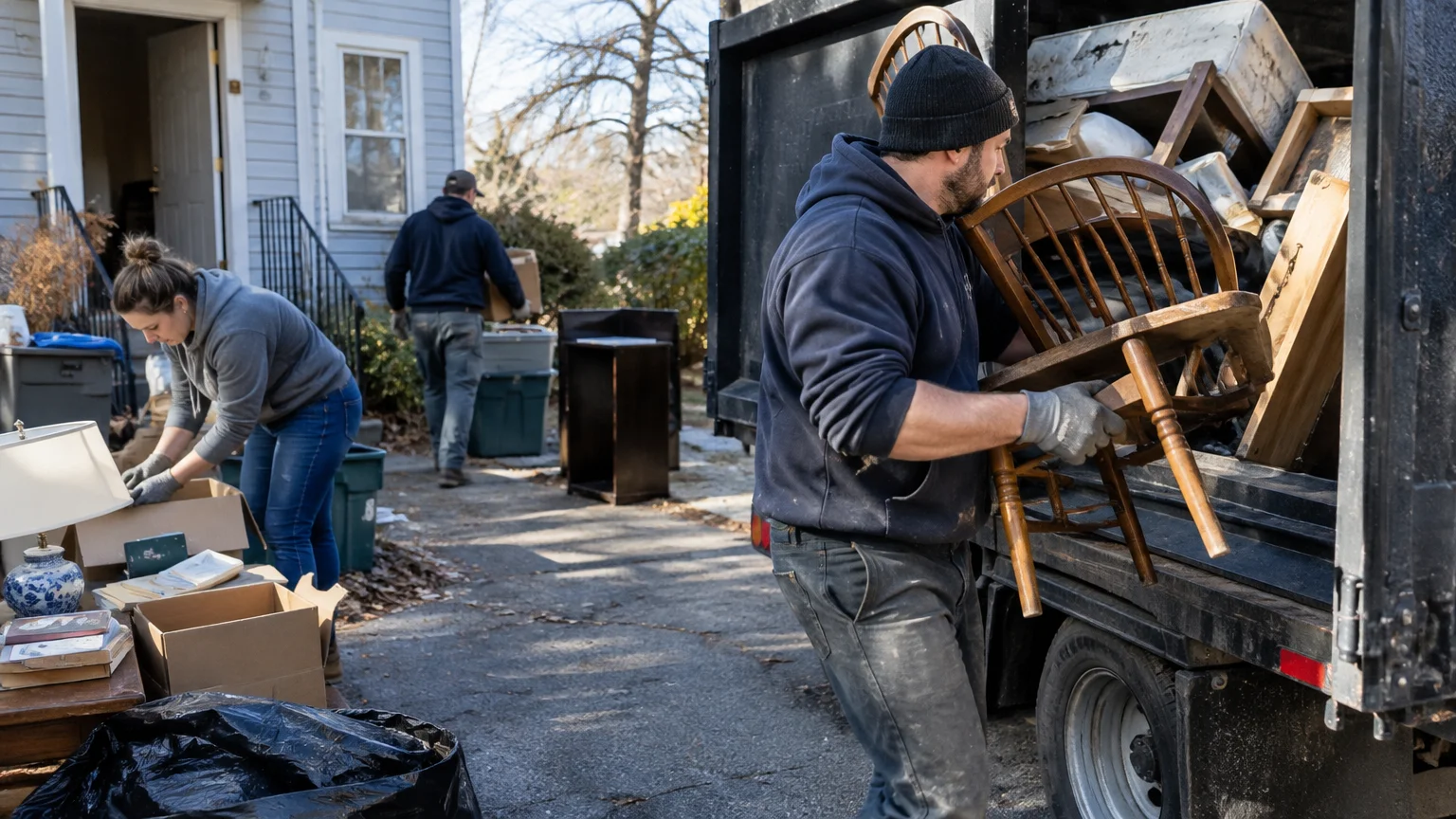
Yes, you can use a dumpster for some items and arrange junk removal for others. This may help when a project has easy-to-load debris along with heavy or awkward belongings. Decide which items go with each choice before the work begins. Check that each provider accepts the items assigned to it.
How to divide the work between the two options
A dumpster may hold items that you can safely carry and load. A removal crew may take bulky furniture, appliances, or items that need to come from inside the home. The right split depends on what each provider accepts and how much work you can do. If possible, keep items for each choice in separate areas.
For example, a family might load light boxes and small debris into a container. A crew might then remove a large sofa and fridge. This plan only works if each provider accepts the items given to it. Ask first instead of loading something and hoping it will be taken later.
Questions to settle before the project begins
Agree on who will sort, carry, and load each item. Confirm where the container will sit, when it will be picked up, and which materials are allowed. Ask if a crew can remove items from inside the home. Check that the planned visit includes the rooms and items you listed. Make sure everyone knows what should stay and what should go.
Plan the order of the work, too. If the crew needs a clear path, move boxes and loose clutter out of the way first. If the dumpster blocks an entrance, plan deliveries and access around it. A combined plan works best when each task has one clear owner. Write down the plan so everyone can follow it.
How can you choose the right option for your house cleanout?
Choose the option that fits the work, the items, the property, and the help you have. A dumpster can work for people who can sort and load by themselves. A house cleanout service may fit people who need help carrying items out or clearing several areas.
A practical checklist for comparing your needs
Before you decide, walk through the home and answer these questions:
- Which rooms, storage areas, and outdoor spaces need clearing?
- Can everyone safely sort, lift, and load the items?
- Are there appliances, electronics, chemicals, or heavy debris?
- Is there a safe place for a container and clear access for a crew?
- What deadlines, property rules, or family decisions could affect the plan?
Use your answers to explain the job when you speak with a provider. Ask what the service includes, what items it accepts, and what you need to do. If you choose a dumpster, check its placement and loading rules. If you choose a crew, confirm which rooms and items are part of the work.
Key takeaways
- A house cleanout service may carry items from the home; a dumpster usually leaves loading to you.
- You can sort and do light cleaning yourself, but heavy lifting may need help.
- Ask about rules for appliances, concrete, and items that need special disposal.
- Access, timing, and family decisions can affect which plan works best.
- Compare all the work involved and get a quote based on the job details.
Frequently Asked Questions
Is a dumpster rental the same as a house cleanout service?
No. A dumpster rental gives you a container to fill. A house cleanout service may remove agreed items from inside the home. Before choosing, ask what work is included, which materials are accepted, what access is needed, and when the work can happen. These house cleanout FAQs can help you compare what each choice asks you to do.
How do companies handle large-scale cleanouts?
A company usually needs a clear list of rooms, items, and access details before planning a large cleanout. Decide what stays and what goes before removal starts. The provider can then explain its work, what the crew handles, and whether some items need another disposal plan. Businesses planning office cleanout FAQs can ask similar questions about access, accepted items, and who will move things.
How can a household get rid of a fridge?
Ask a junk removal provider, appliance program, or local waste authority how to handle the fridge. Rules and accepted items can differ. Do not assume a dumpster accepts it. Keep the unit secure while it is moved, and do not remove parts unless the provider or maker gives safe directions.
Can broken furniture go in a dumpster?
It depends on the dumpster provider’s rules and the type of material. Ask before loading broken furniture, especially when it has glass, metal parts, or mixed materials. A removal crew may be another choice if the item is too large or unsafe to move. Confirm the plan before the item leaves the home.
Can concrete chunks go with household junk?
Concrete is heavy and may have separate limits or disposal rules. Ask the container provider or removal service before loading it. Tell the provider how much concrete there is and where it sits. Do not mix it into a household load unless the provider says it is accepted.
Conclusion
The choice between a house cleanout and a dumpster rental depends on who will sort, carry, and load the items. A container may suit a hands-on project. A service may help when you need items removed from inside the home. Your plan should also account for special items, access, and deadlines.
For homeowners in Loveland, a clear plan can help make a cleanout easier to manage. Loveland Colorado Junk Removal can help you understand house cleanout options and nearby areas. Contact us to discuss the items, access, and timing for your cleanout.